
Testosterone replacement therapy (TRT) can improve symptoms for people with clinically low testosterone, but it can also affect sleep, mood, blood pressure, cholesterol, fertility, skin, hair and breast tissue. After 20 years of testosterone use, here’s 8 potential side effects and the factors I believe contribute to them.
1. Sleep Problems and Mood Changes
Some people report insomnia, early-morning waking, anxiety or mood changes after starting TRT. I attribute these symptoms to shifting levels of estrogen, cortisol and progesterone, particularly during the first several weeks of treatment.
I recommend reviewing injection timing, alcohol intake, sleep habits and hormone levels with a healthcare provider. Smaller, more frequent doses may help some users, but medication changes should be medically supervised.
2. Higher Blood Pressure and Changes in Cholesterol
Testosterone can increase red blood cell production. If hematocrit rises too high, blood may become more viscous, potentially increasing cardiovascular strain. TRT may also affect cholesterol and other metabolic markers.
I suggest monitoring more than LDL cholesterol alone, including triglycerides, ApoB, fasting insulin and inflammatory markers. Regular blood tests, healthy body composition, exercise, adequate hydration and treatment of underlying conditions are important.
3. Acne and Oily Skin
Higher androgen levels can increase oil production and contribute to acne, particularly on the chest, back, shoulders and jawline. I recommend consistent hygiene, showering after exercise (I have heard this on repeat since being a teenager), breathable clothing, adequate sleep and discussing dose adjustments with a clinician.
Persistent or cystic acne should be evaluated by a dermatologist rather than treated solely with supplements or hormone manipulation. If you’re covered in more acne than you ever got as a teenager, something is not right, seek help immediately!
4. Water Retention and Bloating
Facial puffiness, rapid weight changes and abdominal bloating may occur after starting or adjusting TRT. Possible contributors include hormone fluctuations, insulin resistance, diet, alcohol and gastrointestinal problems.
Rather than drastically restricting salt or water, i recommend reviewing nutrition, body composition, injection patterns and metabolic health. Ongoing or sudden swelling should be medically assessed.
5. Hair Loss
Testosterone can convert to dihydrotestosterone (DHT), which may accelerate hair loss in people who are genetically predisposed to male-pattern baldness. TRT does not affect everyone equally; family history and existing thinning are important clues.
I recommend tracking changes with monthly photographs and ruling out other causes such as thyroid problems, low iron, poor nutrition and crash dieting. Treatments such as finasteride or minoxidil should be discussed with a qualified clinician.
6. Reduced Fertility
External testosterone can suppress the brain signals—LH and FSH—that stimulate natural testosterone and sperm production. As a result, sperm counts may fall substantially, sometimes within weeks or months.
Anyone considering future parenthood should discuss fertility before starting TRT. Options may include sperm banking, semen analysis and specialist-supervised treatments, but fertility management requires individualized medical care. I have many friends who have gotten their significant other pregnant while on TRT!
7. Nipple Tenderness and Gynecomastia
Sore, itchy or puffy nipples, or a lump beneath the nipple, may indicate developing gynecomastia. Possible contributors include estrogen, prolactin, body fat, dose fluctuations and other compounds used alongside testosterone.
Early symptoms should be assessed promptly. Attempting to lower estrogen aggressively without testing can create additional problems, and established glandular tissue may require specialist treatment or surgery. Attack this problem early, the sooner you deal with gyno, the more likely you are to correct it and not need surgery!
8. The Importance of Monitoring
Bottom line, monitoring all aspects of health on TRT is mandatory! TRT should not be treated as a set-and-forget therapy. Symptoms, blood pressure, hematocrit, cholesterol, hormone levels, fertility and overall health should be monitored regularly.
Lifestyle factors—including sleep, alcohol use, body fat, diet, exercise and stress—may influence how someone responds to treatment. However, claims about supplements, “detoxification,” hydration targets and hormone protocols are not universally appropriate and should not replace evidence-based medical care.
TRT can be beneficial for people with confirmed testosterone deficiency, but it also carries meaningful risks. The safest approach is to establish baseline testing, define treatment goals, monitor regularly and make changes with a licensed healthcare professional.
If you have any questions about a product, or this blog, please feel free to email us at [email protected].
Team Faer
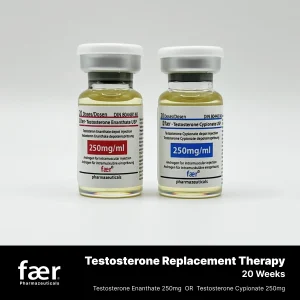
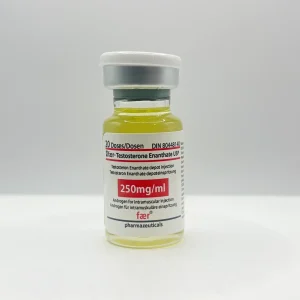
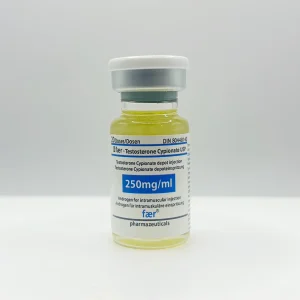
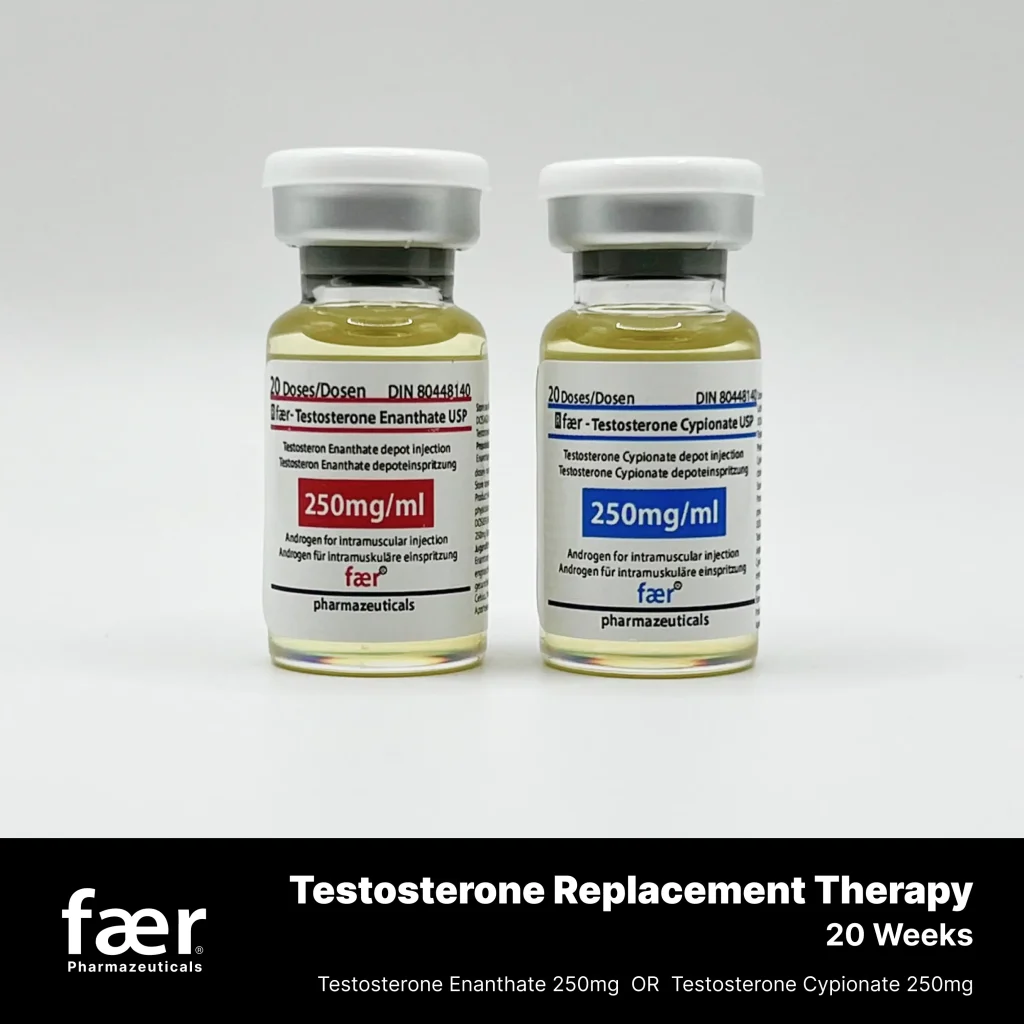
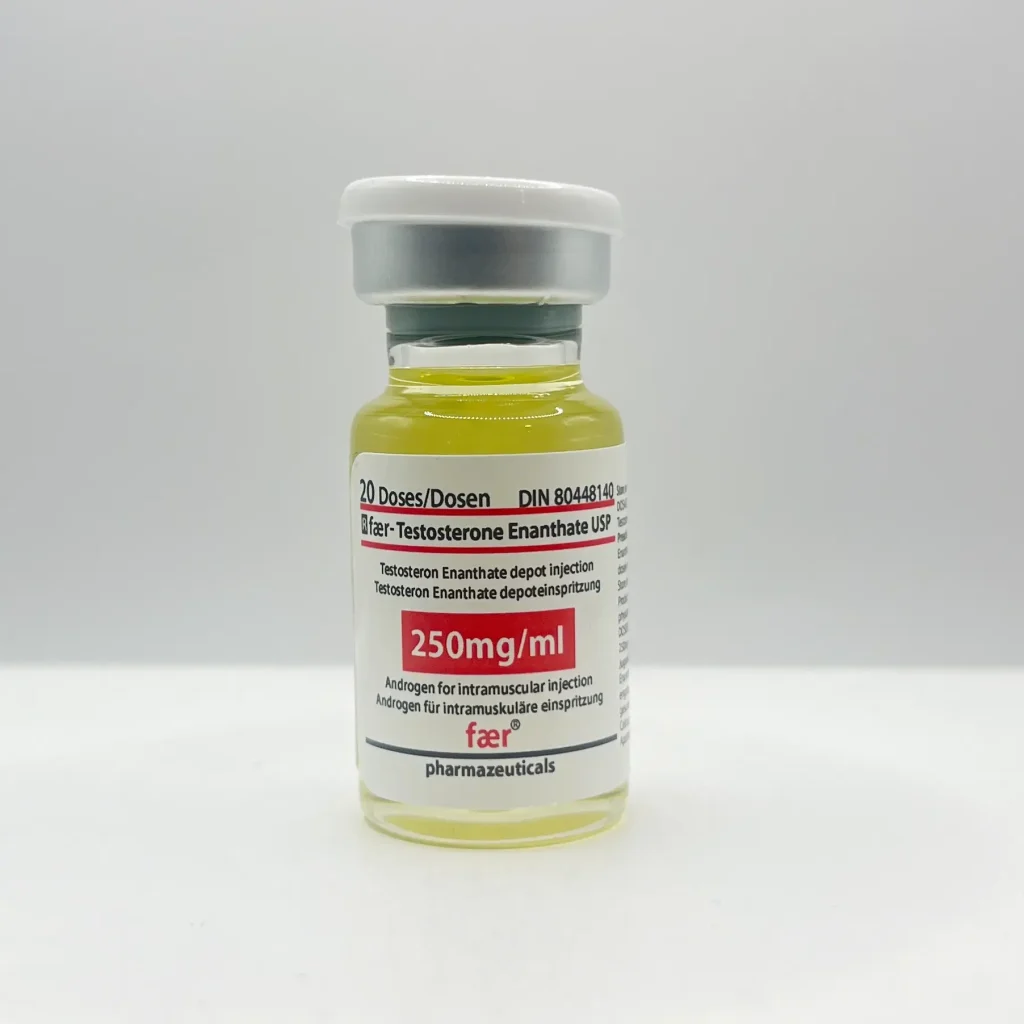
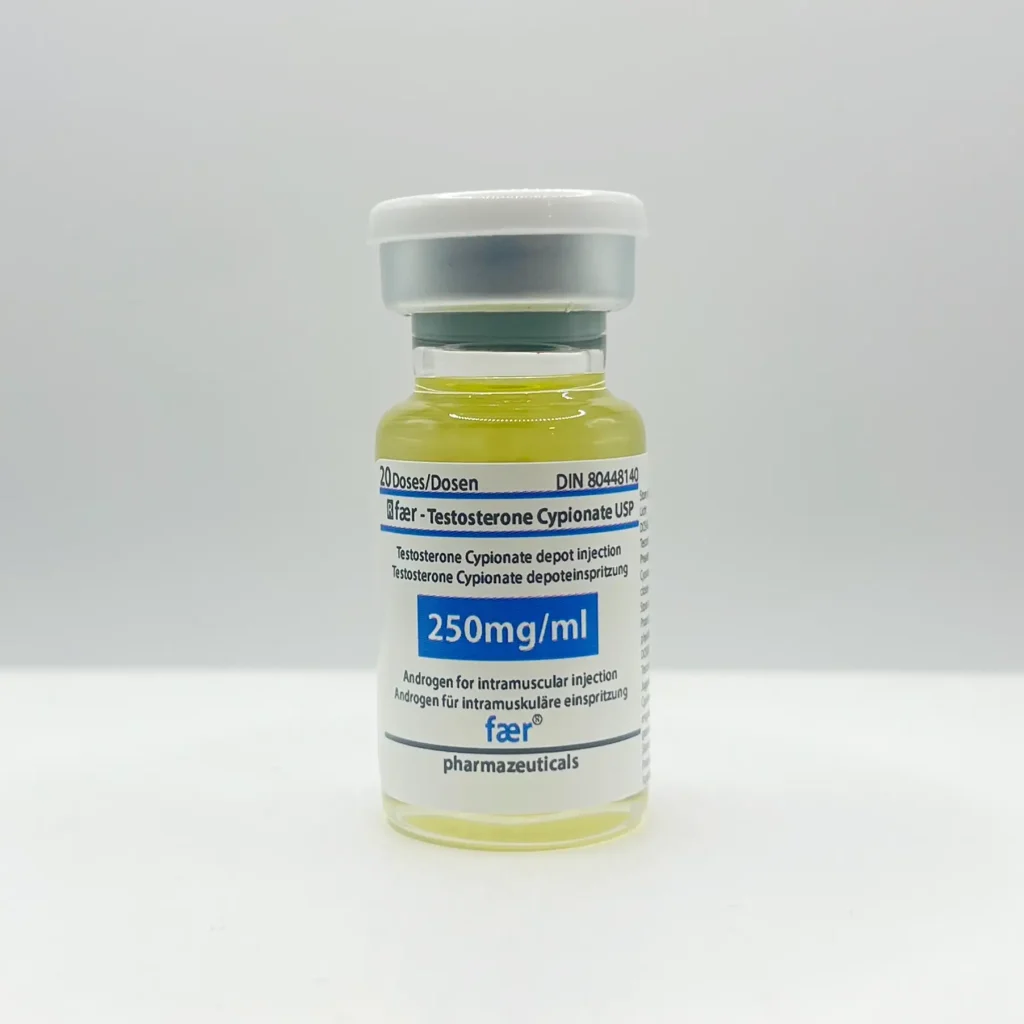
Testosterone Replacement Therapy TRT – 20 weeks
This is the start of your Testosterone Replacement Therapy journey! This comes with everything you need for 20 consecutive weeks of TRT! Your choice between testosterone cypionate or testosterone enanthate, 20 loading needles (18g tips), 20 alcohol swabs and 20 pinning needles (25 gauge w/ 3cc plunger). This is set up for once a week injection of testosterone, for those needing replacement therapy.