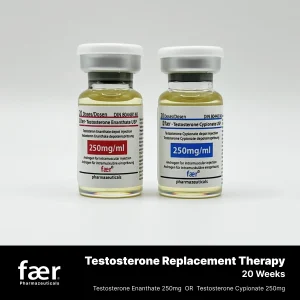

Testosterone Replacement Therapy (TRT) can be a game-changer for many men facing low testosterone levels, offering benefits like increased energy, improved mood, and enhanced libido. However, it’s important to be aware of how TRT can impact your reproductive health. Here’s a guide on how to keep your reproductive system functioning optimally while on TRT.
Understanding Testosterone Replacement Therapy
TRT involves administering testosterone to restore normal levels in the body. While it can alleviate symptoms of low testosterone, it can also affect fertility and other aspects of reproductive health. Here’s what you need to know:
- Hormonal Balance: TRT can suppress the natural production of testosterone by the testes, potentially leading to reduced sperm production.
- Effects on Libido: While TRT often boosts libido, it can lead to imbalances that may affect sexual function.
Tips for Maintaining Reproductive Health on TRT
Regular Monitoring
- Blood Tests: Schedule regular blood tests to monitor testosterone levels, estrogen levels, and other important hormones. This helps ensure that your therapy is effective without causing hormonal imbalances.
- Semen Analysis: If fertility is a concern, consider periodic semen analysis to assess sperm count and quality.
Consider HCG (Human Chorionic Gonadotropin)
- Role: HCG can stimulate the testes to produce testosterone and support sperm production.
- Consultation: Discuss with your healthcare provider whether adding HCG to your regimen is appropriate for you.
Maintain a Healthy Lifestyle
- Nutrition: A balanced diet rich in vitamins and minerals (such as zinc and vitamin D) is crucial for hormonal health. Foods like leafy greens, nuts, fish, and lean meats can support testosterone and overall reproductive health.
- Exercise: Regular physical activity can boost testosterone levels naturally and improve overall health. Aim for a mix of cardiovascular and strength training exercises.
- Sleep: Prioritize quality sleep. Inadequate rest can lead to hormonal imbalances and negatively affect reproductive health.
Manage Stress
- Techniques: Engage in stress-reduction techniques such as meditation, yoga, or deep-breathing exercises. Chronic stress can elevate cortisol levels, which may inhibit testosterone production.
- Work-Life Balance: Ensure that you maintain a balance between work and personal life to reduce stress levels.
Avoid Endocrine Disruptors
- Chemicals: Limit exposure to chemicals like BPA, phthalates, and parabens found in plastics and personal care products, as they can interfere with hormone levels.
- Natural Products: Opt for natural or organic products whenever possible.
Communicate with Your Healthcare Provider
- Open Dialogue: Keep an open line of communication with your doctor about any side effects you experience or concerns regarding fertility.
- Adjustments: Your therapy may need adjustments based on your reproductive health and lifestyle changes.
Conclusion
Any time you add an exogenous testosterone replacement, you run the risk of shutting down your natural production. This can be brought back to life and side effects minimized with proper care, during and after a cycle! Testosterone Replacement Therapy can significantly enhance your quality of life, but it’s essential to remain vigilant about your reproductive health during treatment. By monitoring hormone levels, maintaining a healthy lifestyle, and staying in close contact with your healthcare provider, you can support your reproductive system and enjoy the benefits of TRT while minimizing potential risks. If you have any questions about trt or other products, feel free to reach out to us at [email protected]!
Team Faer

Chorionic Gonadotropin (HCG)
Vial: 5000 Units
Support your body’s hormone production with Merck Chorionic Gonadotropin HCG Canada, a potent hormone used to promote the production of testosterone and support reproductive health. HCG is favoured by athletes and bodybuilders for its effectiveness in maintaining muscle mass and preventing testicular atrophy during steroid cycles.