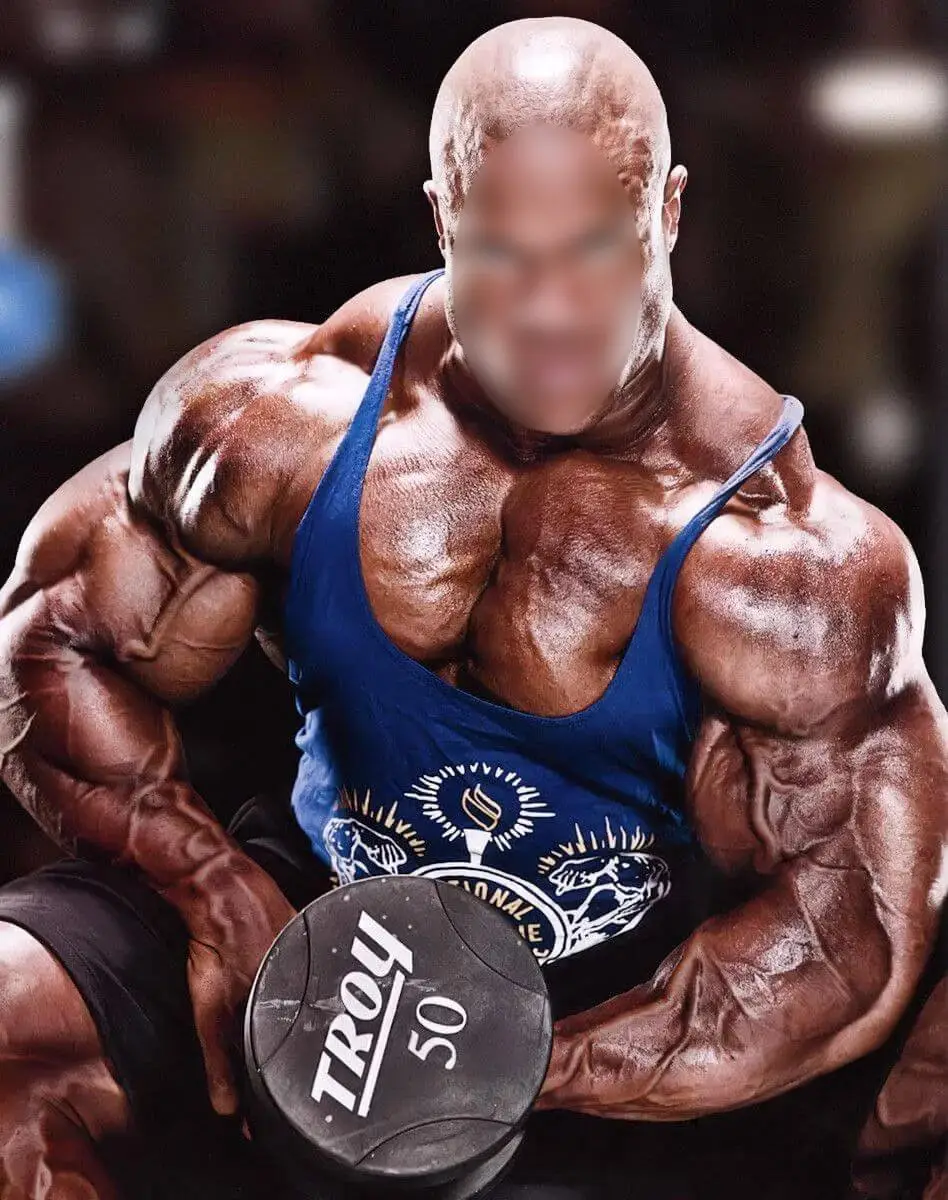
In recent years, hormone replacement therapy (HRT) has gained significant attention, especially among those seeking to alleviate symptoms associated with hormonal imbalances or aging and usually includes both growth hormone and testosterone in males. On the other hand, testosterone replacement therapy (TRT) specifically addresses testosterone deficiencies in men. Both therapies aim to restore hormonal balance, but they do so in different contexts and for different populations. Here’s a closer look at HRT and TRT, their purposes, benefits, and potential drawbacks.
What is HRT?
Hormone Replacement Therapy (HRT) is primarily used to alleviate symptoms related to hormonal changes, particularly in women undergoing menopause. HRT can involve the administration of various hormones, including:
- Estrogen: Often used to relieve hot flashes, vaginal dryness, and other menopausal symptoms.
- Progesterone: Sometimes combined with estrogen to reduce the risk of endometrial cancer in women with an intact uterus.
- Testosterone: Can be used in women experiencing low libido or other hormonal deficiencies.
Benefits of HRT:
- Alleviates menopausal symptoms.
- May improve mood and cognitive function.
Potential Drawbacks:
- Side effects can include bloating, mood swings, and breast tenderness.
What is TRT?
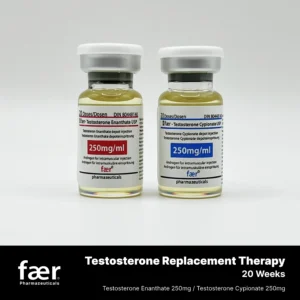
Testosterone Replacement Therapy (TRT), on the other hand, is specifically designed for men who have low testosterone levels, a condition known as hypogonadism. TRT can be delivered through various methods, including:
- Injections: Administered every week. (Best way to administer)
- Patches: Applied to the skin daily.
Benefits of TRT:
- Restores libido and sexual function. WARNING: you may have the sex drive of a healthy 18 year old!
- Improves mood and energy levels.
- Increases muscle mass and strength.
- Can enhance bone density.
Potential Drawbacks:
- Risk of side effects such as acne, sleep apnea, and increased red blood cell count.
Key Differences Between HRT and TRT
Target Population:
- HRT is primarily aimed at women experiencing menopause, while TRT focuses on men with low testosterone levels.
Hormones Involved:
- HRT can involve a combination of estrogen, progesterone, and testosterone, whereas TRT primarily involves testosterone. Growth hormone is another hormone involved in HRT for individuals over 35. (Always refer to blood work as your road map for lagging hormones!)
Indications:
- HRT addresses a range of symptoms associated with menopause, while TRT is specifically for low testosterone-related issues.
Administration Methods:
- HRT can involve various delivery methods (pills, patches, injections), while TRT typically focuses on injections, patches, or gels. In our experience, testosterone injection is the best and most consistent way to administer TRT, by a long shot!
Potential Risks:
- Both therapies carry risks, but the specific health risks can differ based on gender and individual health factors.
Conclusion
Both HRT and TRT have their distinct roles in managing hormonal imbalances and improving quality of life. Understanding the differences between the two therapies is crucial for individuals considering their options. Consulting with a healthcare provider is essential to determine the most appropriate treatment plan based on individual health needs and circumstances. If we’re talking in the body building community and somebody mentions HRT, chances are, they’re referring to a male replacing both crucial hormones for muscle building and anti aging. Those two hormones would be testosterone and growth hormone.
Refer to this article to read all about the benefits of growth hormone as you age!
The Benefits of Exogenous Growth Hormone After 35: Unlocking the Fountain of Youth
Team Faer
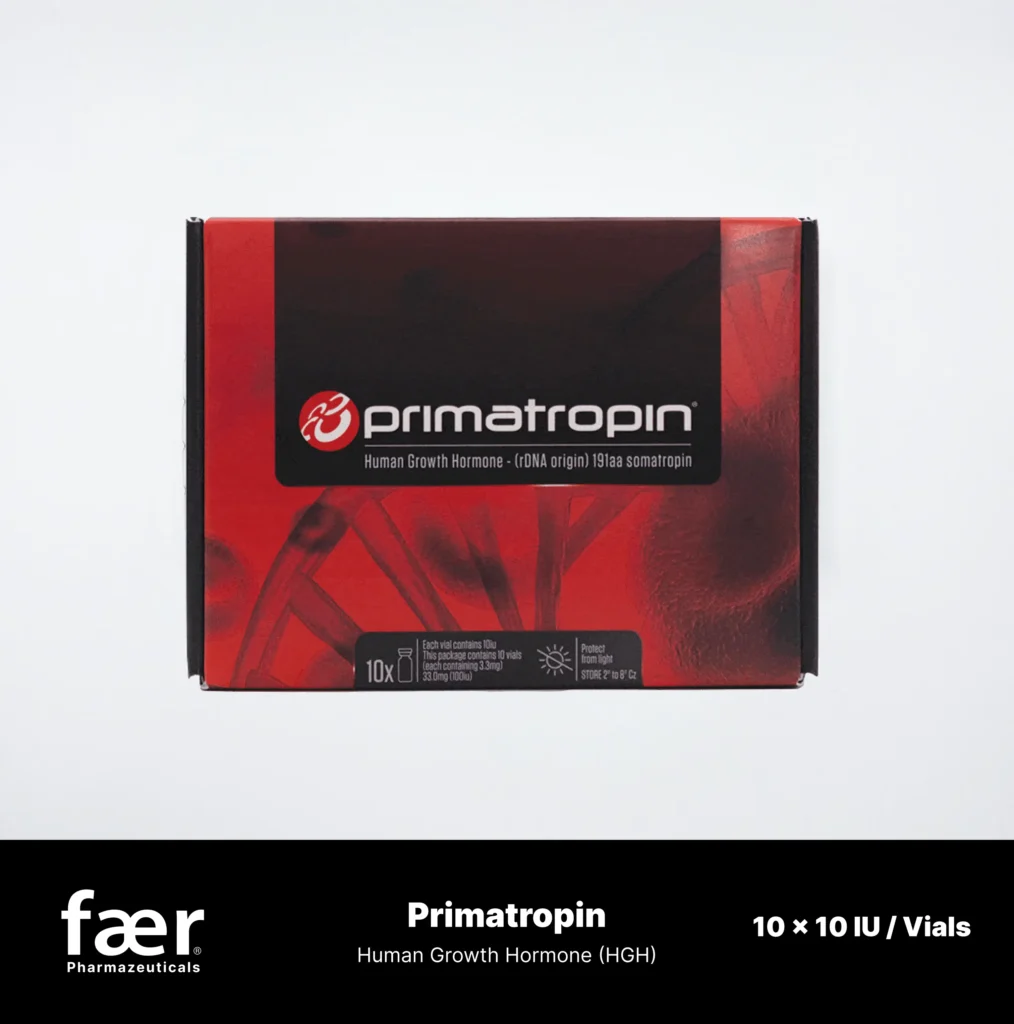
Primatropin hGH
Vial: 10 Vials – 10 IU/Vial
Primatropin hGH (10 x 3.3mg) is a premium recombinant human growth hormone (hGH) specially formulated in Canada to optimize muscle growth, fat loss, and overall physical performance. Each kit contains 10 vials of 3.3mg (equivalent to 10 IU per vial) of pharmaceutical-grade Somatropin, ensuring precision, potency, and unparalleled effectiveness.
Don’t be fooled by fake Primatropin’s online! We are a fully verified seller of Primatropin